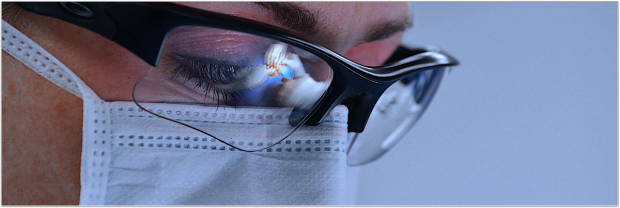
The Department of Dermatology is committed to the highest level of patient care, as well as the discovery and development of better treatments for dermatologic diseases.
Message from the Chair

Our mission is sustained leadership in patient care, in research, and in training leaders of our specialty in an environment that fosters creativity, diversity, inclusiveness and synergy.
Paul Khavari, MD, PhD, Professor and Chair
Wipe Out Melanoma
Wipe Out Melanoma is changing the way our community faces melanoma by increasing awareness among Californians.

Stanford Dermatology News
We are Stanford

Meet Christopher Lopez, a third-year MD-PhD student and proud member of the Costanoan Rumsen Carmel Tribe. He discusses overcoming early challenges with school, navigating his Indigenous identity, and his commitment to advocating for more Native representation in health care and medicine.
Dr. Erica Wang
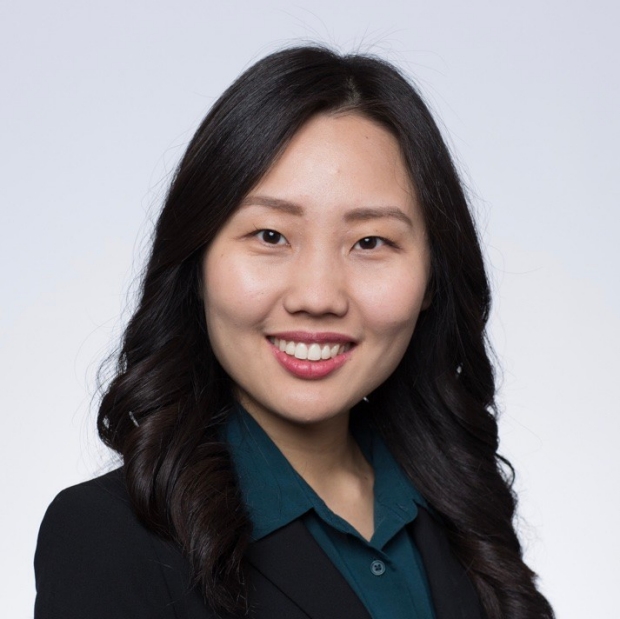
Dr. Erica Wang joined our multidisciplinary program in 2022 after completing her dermatology residency training at Stanford.
Dr. Jennifer Chen
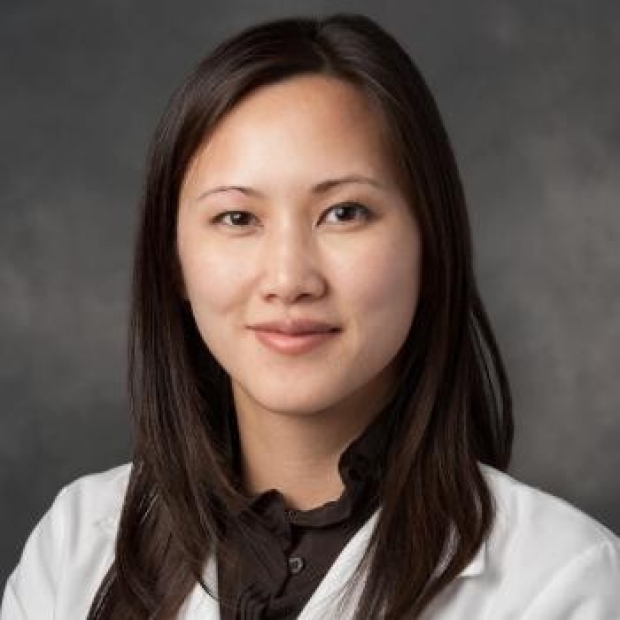
Dr. Chen is elected President of the American Contact Dermatitis Society.

Dr. Jennifer Wang
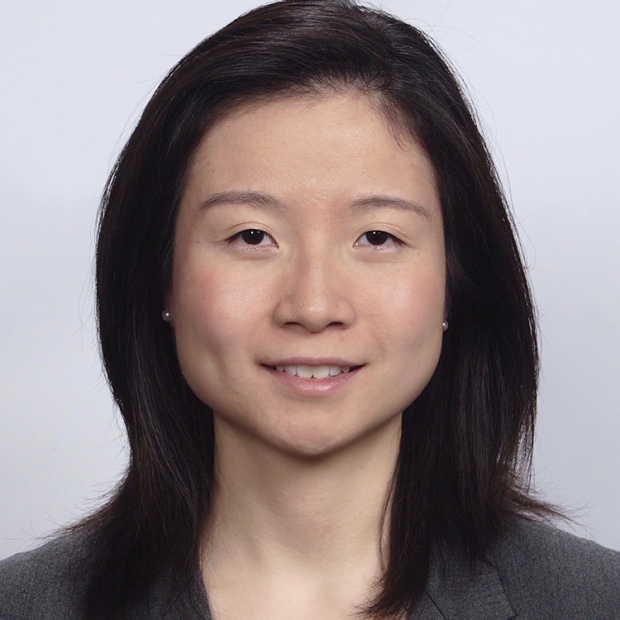
Dr. Jennifer Wang joined our multidisciplinary CL program in 2021 and serves as Director of the Cutaneous Oncology Tumor Board at Stanford Cancer Center.
Dr. Susan Swetter
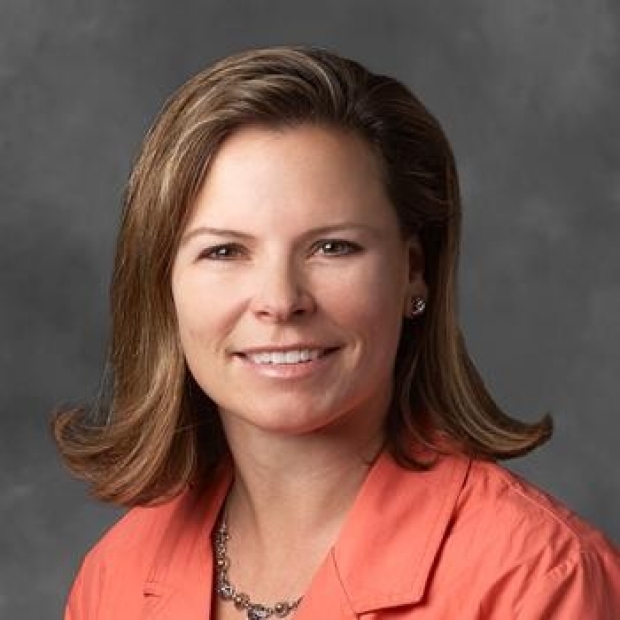
Dr. Swetter is named Chair of the National Comprehensive Cancer Network Melanoma Panel.
Dr. Paul Khavari
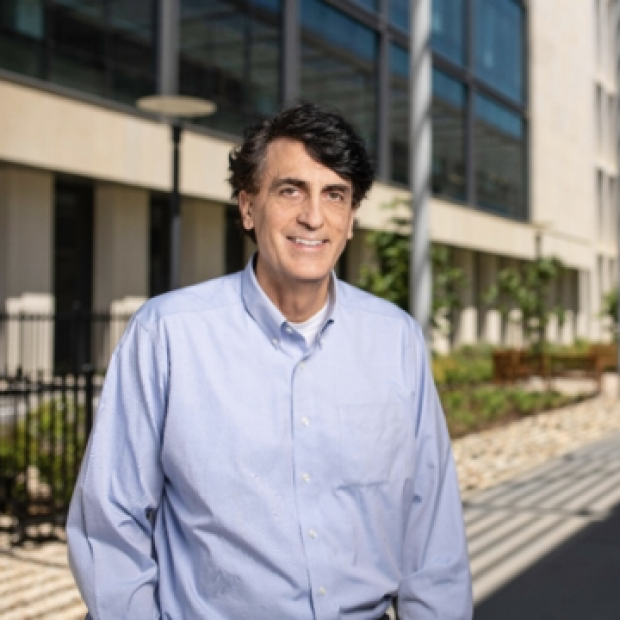
Dr. Khavari led a team of researchers who discovered a specialized cancer cell that gathers at the edge of skin tumors and aids in metastasis.
Dr. Leandra Barnes
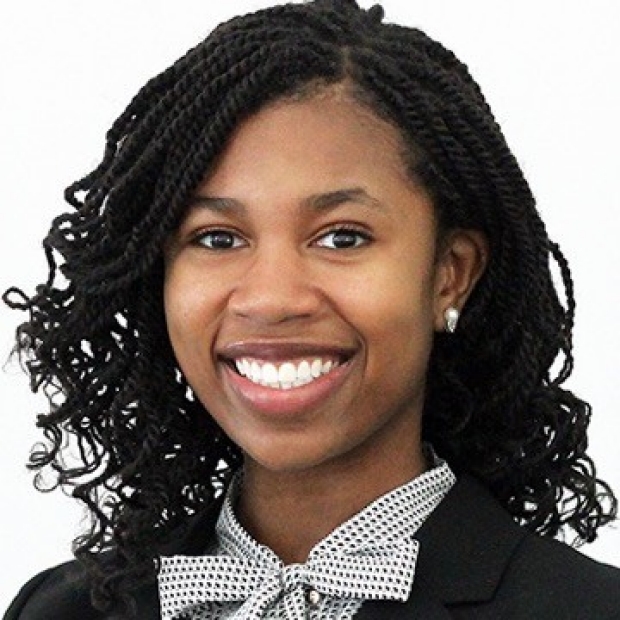
Dr. Barnes has been elected to the Board of Directors of the Society for Investigative Dermatology.
Dr. Anthony Oro
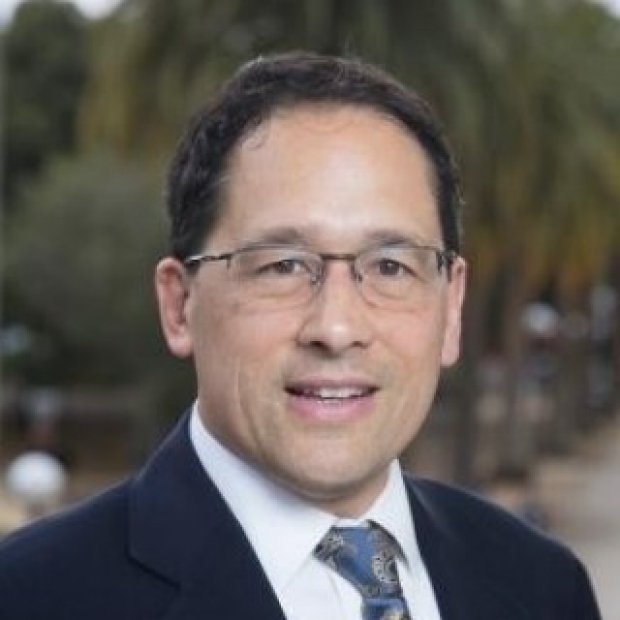
Stanford Medicine recently featured Dr. Jean Tang, Dr. Anthony Oro, Dr. Paul Khavari, and others on "Outsmarting cancer cells that evade treatment."
Dr. Howard Chang

Dr. Chang is selected to the American Academy of Arts and Sciences.
Dr. Zakia Rahman
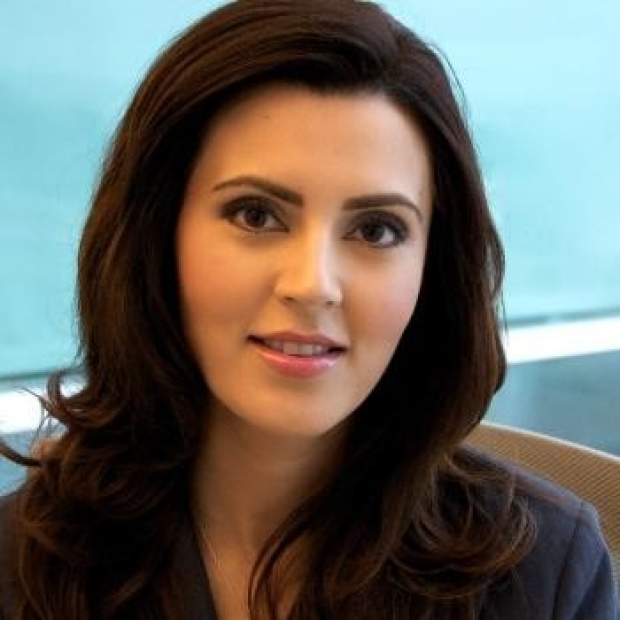
Dr. Rahman has been elected Chair of the School of Medicine Faculty Senate.
Dr. Dickman in the Pleasanton Weekly
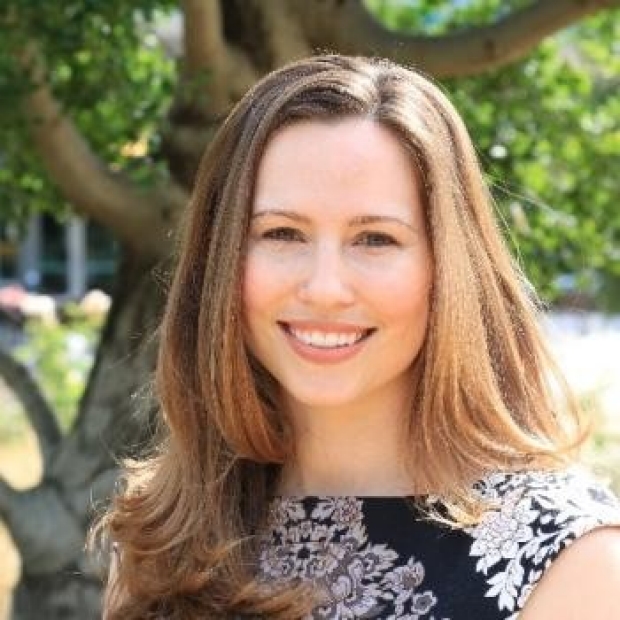
Dr. Meghan Dickman was recently featured in the Pleasanton Weekly to discuss basal cell carcinoma.
Award Winning Faculty
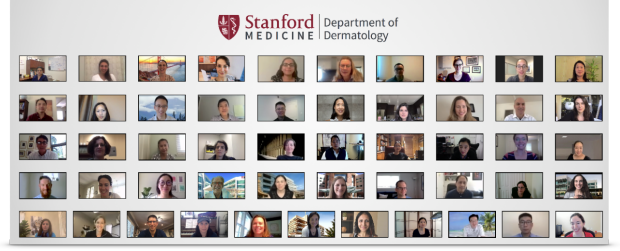
Stanford Dermatology Faculty are regionally and nationally recognized for their clinical expertise and teaching. As a part of one of the preeminent departments at Stanford Medicine, Dermatology Faculty are committed to Discovery, Education, and Patient Care.
Welcome to SUNSPORT
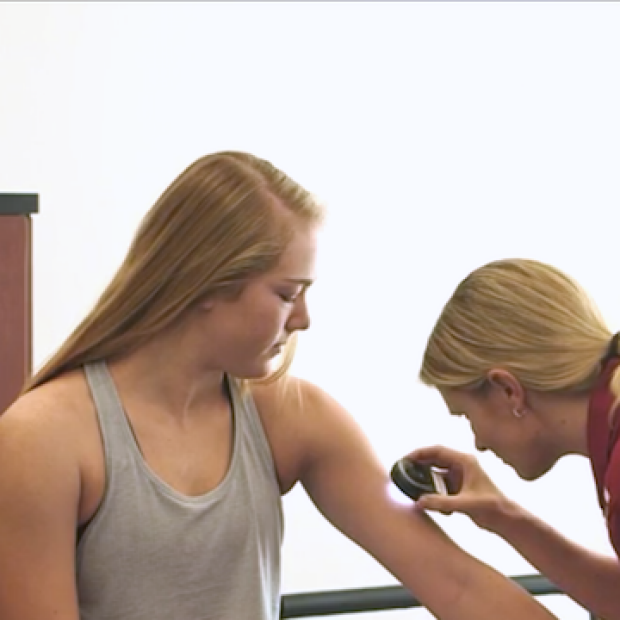
Stanford’s innovative education and research program reduces skin cancer and sun damage among outdoor athletes.
Dr. Meghan Dickman CTV30 Interview
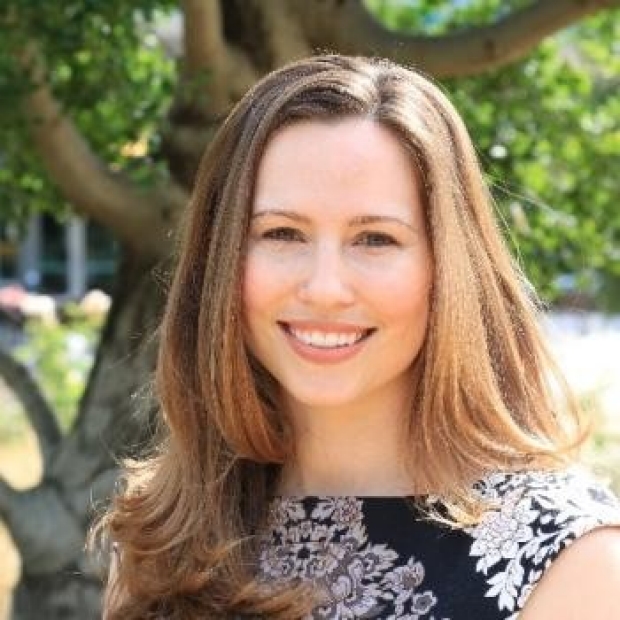
Dr. Meghan Dickman was recently gave an intreview to CTV regarding sun safety.
Subspecialty Clinics
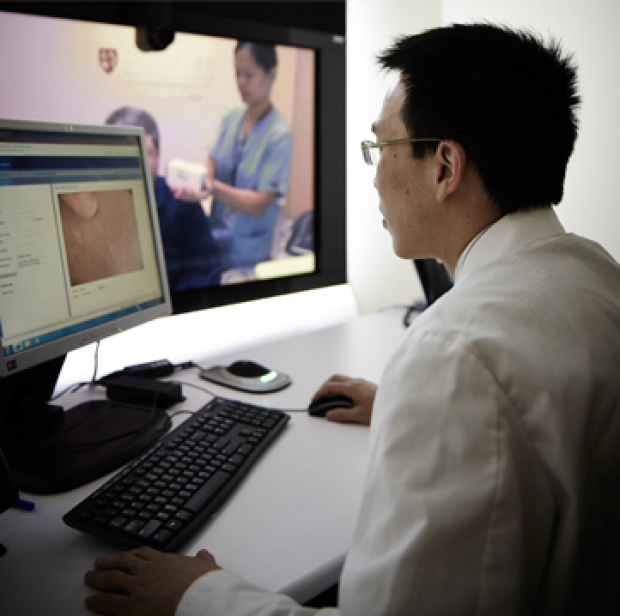
Stanford Dermatology has a longstanding commitment to providing multidisciplinary care for patients.
At Stanford Dermatology, we feel we are able to provide the clinical experience, mentorship support and educational resources to allow each resident to reach their personal goals and potential as they embark on a successful career in Dermatology.
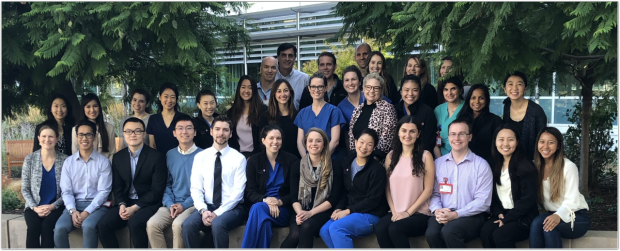
Dermatology Residency Welcome Picnic
- Dr. Susan Swetter sits with Lissa Kreisler at KCAT TV 15 to discuss Wipe Out Melanoma. Watch Video
- Dr. Howard Chang has been been selected as the recipient of American Skin Association (ASA)’s Inaugural Research Achievement Award in Discovery.
- Dr. Howard Chang has been been selected to the American Academy of Arts and Sciences and the National Academy of Sciences.
- Dr. Susan Swetter shares insights on interpreting new AAD Melanoma Guidelines. Learn More
- Dr. Elizabeth Bailey had the great fortune of traveling to Nepal with Stanford residents in pathology and dermatology. Learn More